The ballot process
How the ballot process works and key dates
BID ballots are the process by which businesses in the defined area can choose to vote for or against the creation of the BID for a five- year period. For a ballot to be successful, leading to the creation of the BID, voting needs to return a majority over two separate measures:
1. Of the votes cast, a majority in favour by number
2. Of the votes cast, a majority in favour by total rateable value
This double test helps to ensure that the BID enjoys the support of both large businesses and significant numbers of businesses. Businesses do not have to vote, and there is no minimum turn-out. However, BIDs aim to ensure a voter turnout of around 45%-50%.
The ballot is operated by the local authority or an agent appointed by the council. In the case of the Angel Islington BID, Islington Council has chosen to nominate Civica, formerly known as the Electoral Reform Society, which operates BID ballots across the country.
All businesses must be informed of the plans for the BID in the five-year term, and these plans are set out in the BID Proposal and Business Plan, which is this document. The BID Proposal and Business Plan must also contain other information, including:
→ The BID Rules – how the levy is collected, how much, and from which businesses
→ A map and a list of affected streets – all eligible businesses in these streets would pay the BID levy. Eligibility is set out in the BID rules.
→ Services – The Business Plan should include a description of the services the BID will carry out
→ The ballot arrangements – further instructions on how businesses will vote
The Business Plan is the document on which businesses vote and the elements above are binding for the five years of the BID term. The BID can seek to change the terms of the BID only by returning to ballot – known as an ‘alteration ballot’.
June to August 2026 Voter registration. The BID wrote to all eligible businesses in the current and proposed extension area to inform them that they can register a voter. This process is then confirmed later in the year with a notification of the registered voter from Islington Council / Civica, who operate the ballot on the BID’s behalf. At this point, businesses can register a different voter if they wish.
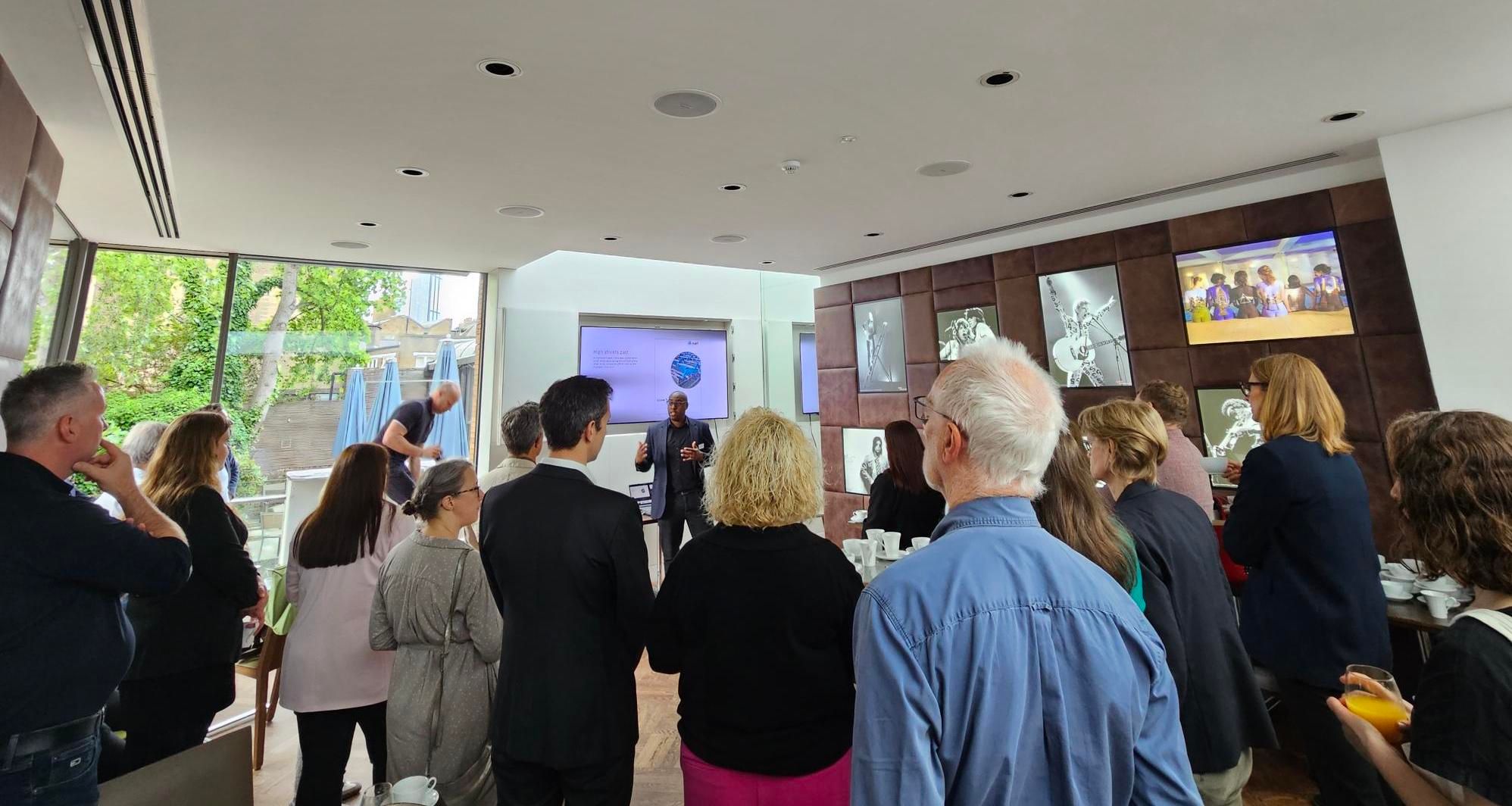
16 September 2026 – Launch event
A lunchtime event to unveil the business plan for the next term, and an opportunity for busi nesses to meet the team and the board and hear more about the plans the BID hopes to deliver over the next five years.
Late October 2026 – Ballot opens
All voting businesses will receive a ballot paper in the post (there is no electronic voting in BID ballots).
Businesses return ballot papers to the address marked on the envelope.
19 November 2026 – Ballot closes
This is the last day that votes will be accepted. On the following day, votes will be counted and the result published.
1 April, 2027
If the ballot is unsuccessful, the BID winds up in the period between the
ballot announcement in November
2026 and 31 March 2027.
If the ballot is successful, the BID uses this period to commission services
and mobilise in anticipation of the start of the fifth term, which would
commence 1 April, 2027.